What is an IGV on a compressor?
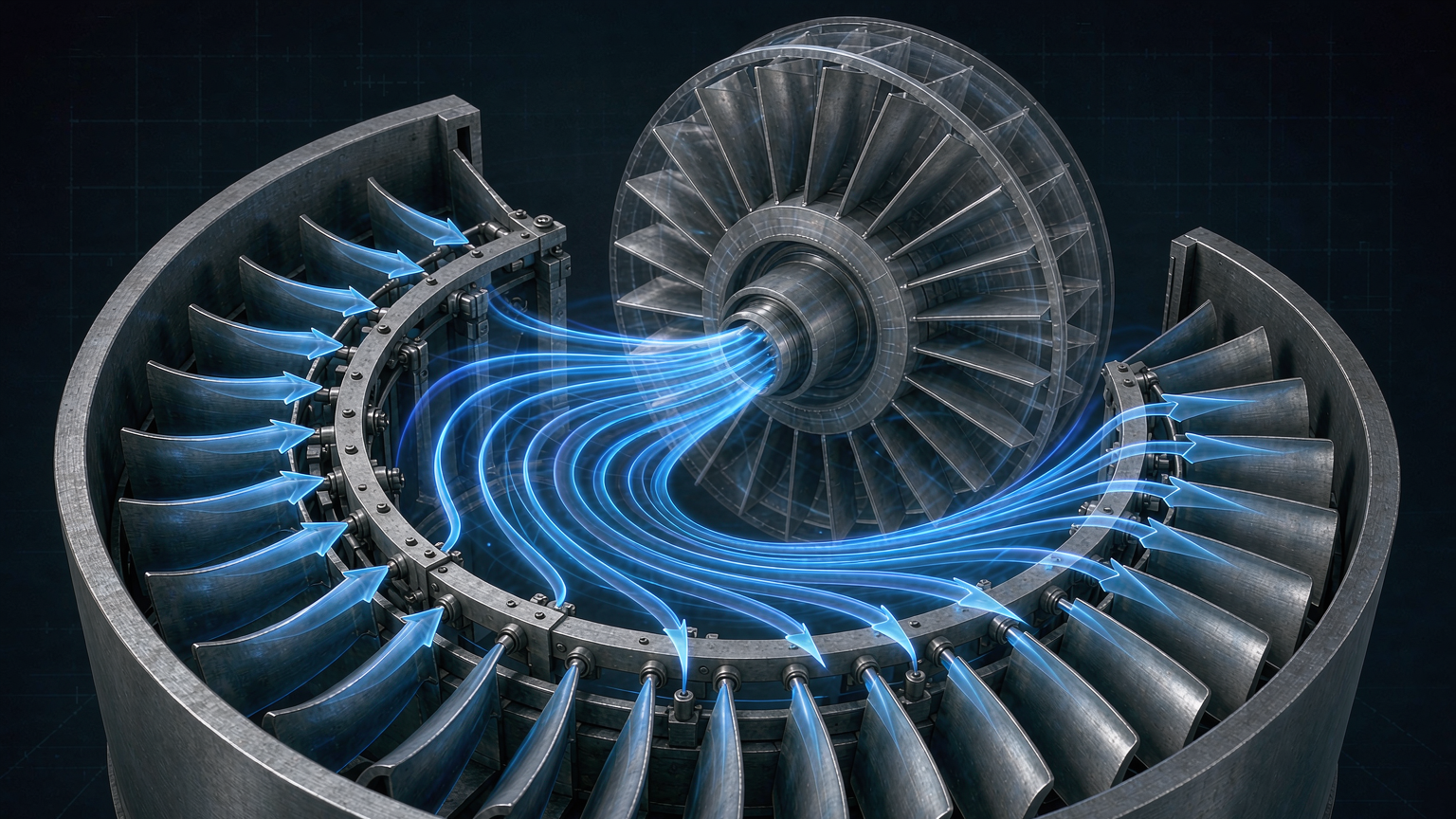
An inlet guide vane (IGV) is a circular array of adjustable blades installed at the compressor inlet. It can pre-rotate the intake airflow, which helps reduce energy consumption under partial load, prevent surge, and distinguish it from the control system of a screw air compressor.
2026/11/20
Reading volume: 0
News Details
IGV is the abbreviation of Inlet Guide Vane. It is composed of a ring of adjustable small blades installed at the air inlet of the compressor. These blades rotate synchronously, regulating the air intake volume of the equipment and the inflow angle of the air. This simple device enables the compressor to reduce energy consumption under partial load, maintain stability under low flow conditions, and achieve safe startup. IGVs are most commonly found on centrifugal compressors and gas turbines; screw compressors use different components to regulate air flow. In this guide, we will explain the working principle of IGV, its importance, and how it compares with the control system of screw air compressors.
What is an inlet guide vane?
An inlet guide vane is a fixed or movable blade installed immediately upstream of the first stage of the compressor rotor. Most modern devices use movable blades, which are called variable inlet guide vanes. These blades are arranged in a ring around the inlet pipe. An actuator drives the entire ring to rotate simultaneously, ensuring that all blades change their angles synchronously.
These vanes are like adjustable louvers on ventilation openings. When fully open, air flows in freely. When closed, the opening narrows and the air is given a gentle swirling motion before reaching the impeller. This swirling motion is called pre-rotation or pre-swirl, and it is the core working principle of this device.
The term "IGV" is simply the abbreviation of inlet guide vane. In technical documents, you may also see terms such as "IGV compressor" or "compressor IGV", all referring to this inlet component.

How does a variable inlet guide vane work?
Compressors are designed to deliver their maximum flow rate under the hottest weather conditions of the year. However, most of the time, the air demand of the plant is lower than this value. Without control, excess air is wasted. IGV addresses this issue in two ways.
- It throttles the intake air. The closing of the blades reduces the amount of incoming air, matching supply to actual demand.
- It creates pre-swirl of the air. The blades make the incoming air flow in the same direction as the impeller rotation, reducing the work required for the impeller to accelerate the air.
The actuator is usually controlled by the machine control system. A microprocessor or PLC reads the demand signal and sets the blade angle. The vanes can move from fully open to nearly closed, achieving smooth, stepless regulation. Because the blade profile is similar to an airfoil, air resistance remains low when the vanes are fully open.
Why do compressors need IGV?
The following three practical benefits explain why buyers and engineers choose this component.
Improved efficiency under partial load. Compressors rarely operate at full load. A variable inlet guide vane reduces power consumption when demand decreases. Industry guidelines from the Compressed Air and Gas Institute show that under such conditions, energy savings can reach approximately 9%. The actual value depends on the equipment and site conditions.
Surge control and a wider operating range. Surge is an unstable flow state that can damage the compressor. Under low flow conditions, the air flow pattern no longer matches the fixed impeller blades. IGV adjusts the inlet flow angle to keep the equipment operating within a stable range, lowering the surge threshold and protecting the unit.
Safer startup and shutdown. During startup or shutdown, the vanes limit air flow, reducing mechanical stress and enabling the equipment to operate smoothly.
IGV vs. inlet butterfly valve
Both components are used to throttle inlet air, but their working principles are different. A butterfly valve consists of a single disc that opens and closes, offering simple structure and low cost. An IGV is a set of profiled blades that both throttle the air and create pre-swirl.
| Comparison item | Inlet guide vane | Butterfly valve |
|---|---|---|
| Air regulation method | Throttling + pre-swirl | Throttling only |
| Power consumption under partial load | Lower | Higher |
| Flow stability | Helps avoid surge | No surge prevention effect |
| Retrofit installation | Uses the same control signal | Standard configuration |
Many plants replace butterfly valves with IGV to reduce energy consumption. Since the vane assembly fits the existing inlet flange, modification is usually easy.
IGV in centrifugal compressors vs. screw compressors
This point often causes confusion. IGV is a characteristic component of centrifugal and axial compressors. A rotary screw compressor is composed of two intermeshing rotors and does not use inlet guide vanes; instead, it regulates output through an intake valve, slide valve, or variable frequency drive.
For purchasers comparing different types of equipment, the conclusion is simple. If you need precise inlet regulation for a centrifugal unit, choose a variable IGV. If you need a compact, integrated oil-injected screw unit, consider integrated screw air-end assemblies or permanent magnet variable frequency screw compressors. These designs can deliver stable air with low energy consumption without requiring an IGV.
Signs of IGV malfunctions and basic inspection methods
When an IGV gets stuck or loses calibration, the equipment may exhibit the following obvious symptoms.
- High power consumption under partial load.
- Unstable flow or frequent surge alarms.
- Slow response when demand changes.
- Uneven movement or abnormal noise from the actuator.
Basic inspections include checking the connecting rods, verifying the actuator signal, and cleaning the inlet. For internal faults in the control system, please contact a qualified technician. You can also learn about our approach to compressor manufacturing and quality control.
Key takeaways
IGV is an adjustable ring-shaped blade structure installed at the inlet of the compressor. It regulates air flow and creates pre-swirl, resulting in lower power consumption under partial load, improved surge control, and smoother startup. It is used in centrifugal and axial compressors, not in screw compressors. When selecting equipment, match the regulation method to the equipment type and actual load profile. To discuss the most suitable air-end or complete unit for your market, please visit our official website and browse our product range.
Share to:


